14 Week Periodised Rock Climbing Training Program
Designing a long-term plan, like a 14-week Periodised Rock Climbing Training Program can be hard work but if you do it properly then the rewards will be worth it. Especially if we write it for you.
...ROCK CLIMBING, SCRAMBLING, MOUNTAINEERING AND HILLWALKING IN NORTH WALES...GUIDING, COACHING AND INSTRUCTION
Designing a long-term plan, like a 14-week Periodised Rock Climbing Training Program can be hard work but if you do it properly then the rewards will be worth it. Especially if we write it for you.
GOST Goal setting is an effective way to set SMART goals as well as setting a pathway to achieving them.
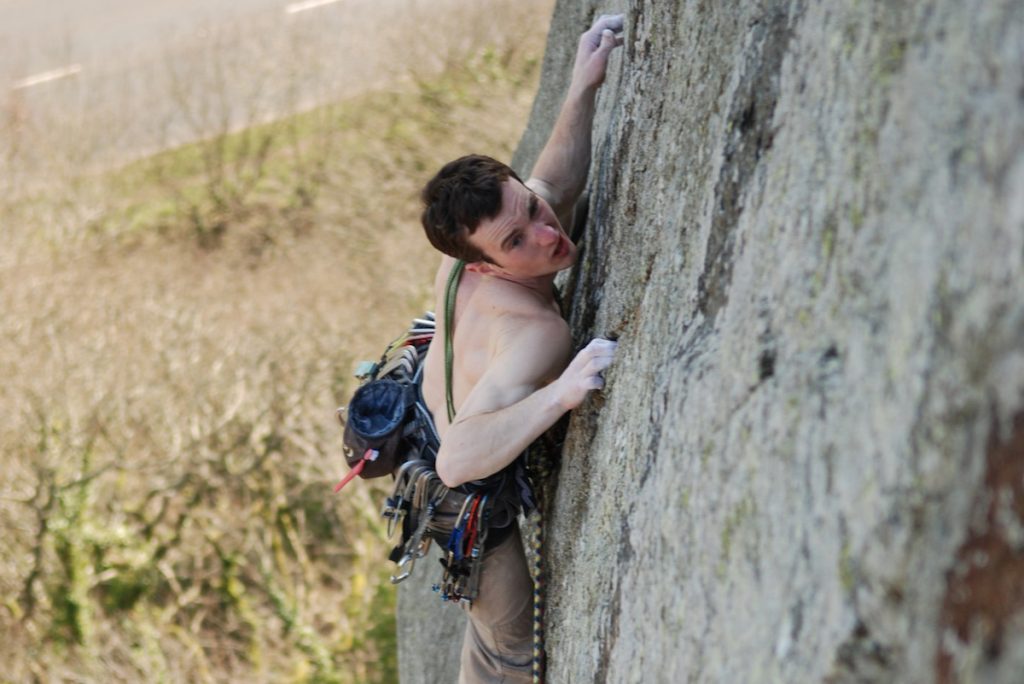
The TTPP or Technical, Tactical, Physical and Psychological aspects of rock climbing are the four aspects that coaches look at when they are coaching people to climb harder. What they are trying to do is see which areas need work and which need maintaining. In essence, it is the concept of making marginal gains across the whole gambit of climbing skills and fitness in order to make a more synergistic improvement to the whole.
For any rock climber looking to improve their rock climbing then questioning which of these need the work is the second part of setting GOST goals. In that it offers a more systematic way to find the objective outcomes you are looking for and from that you can go on to set the strategies and tactics you will use to improve these skills listed below and in doing so improve your climbing and reach your overall dream goal.
| Technical | Tactical | Physical | Psychological |
| Balance | Watching others | Arm Strength | Competitiveness |
| Co-ordination | Controlled Aggression | Core Strength | Determination |
| Accurate Footwork | Right Place/Time | Finger Strength | Happiness |
| Efficient Technique | Will to WIn/Suceed | Shoulder Strength | Liking Challenges |
| Climbing Slabs | Concentration | Leg Strength | Motivation/Discipline |
| Corner/Groove Climbing Technique | Focus | Power (Arm, Shoulder,Finger, Core, etc..) and coordinating that power | Positiveness |
| Slab Climbing Technique | Finding rest | Power Endurance – Local Climbing Muscles | Single Mindedness |
| Crack Climbing Technique | Jumping for Holds | Recovery Time | Confidence |
| Placing Gear | Onsighting Skills | Flexibility | Cope with Pressure |
| Wall Climbing Technique | Preparation and training | Cardio-vascular fitness | Emotional Control |
| Overhang Climbing Technique | Reading Routes | Strength | Goal Setting |
| Roof Climbing Technique | Redpointing Skills | ARCing (Aerobic, Respiratory and capillarisation) | Imagery |
| Chimney Climbing Technique | Right Place/Time | Overcoming Fear | |
| Body position | Rope Choice | Relaxation | |
| Transfer of weight (rockover and CoG) | Warming Up | Self-Belief | |
| Self-talk |
Fitness for any form of physical activity can be boiled down to nine components, these, if you like, are the trainable aspect of fitness. Here we look at them from a climbing perspective.
In this tutorial Mark Reeves our head coach takes you through some basic exercises to get you started on shoulder strengthening and stabilization exercises for rock climbing using the rings.
In this video, we explore the basic principles behind using a pegboard to increase your shoulder strength and power for rock climbing. This is from our sister site How to Climb Harder and by SMG head coach.
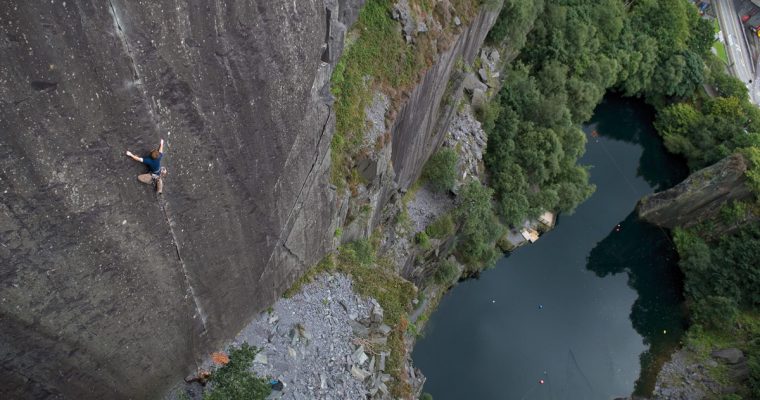
An overview of some of the routes that have been re-equipped in the Slate Quarries since 2006
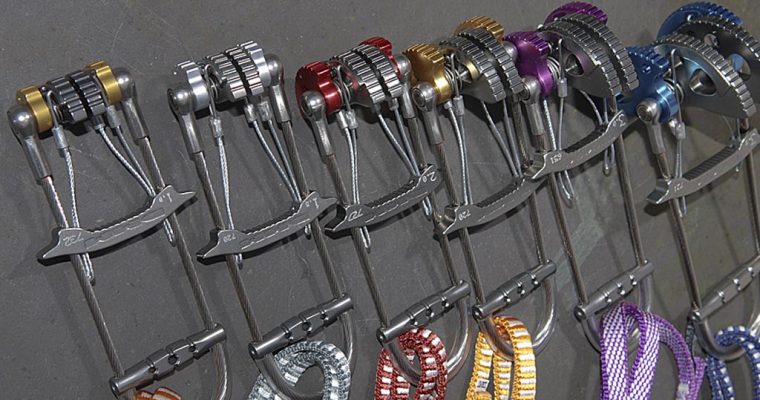
Camming devices are the most complex piece of rock climbing protection and take some time to master the use of this article covers the basics of what you need to know.
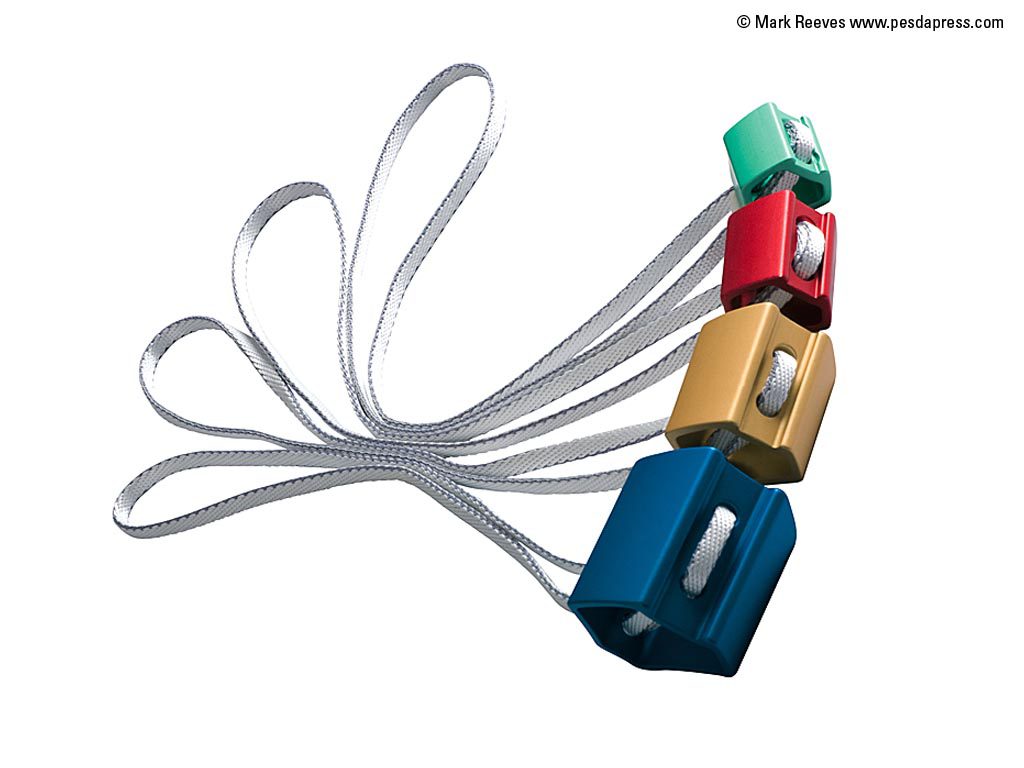
Whilst many experienced climbers have turned away from hexes in favour of camming devices they are still popular with people starting out and winter climbers. Hexes are far cheaper than cams and there are also places where hexes will work better than cams.
There are two really good options to hexes, one is the DMM Torque Nuts and the other is Wild Country Hexcentrics. Both work in similar ways. Just like wires, the rock needs to be solid and the crack ideally needs a slight taper (See the placing wires article for testing the rock or How to Climb Harder).

Hexes use a camming action created by the sling they are on to help wedge them more securely into cracks. Just like wires they need to be seated into cracks. Importantly though when removing them, you need to twist them in the opposite direction and you can often hear them click out of the placement when you do this.
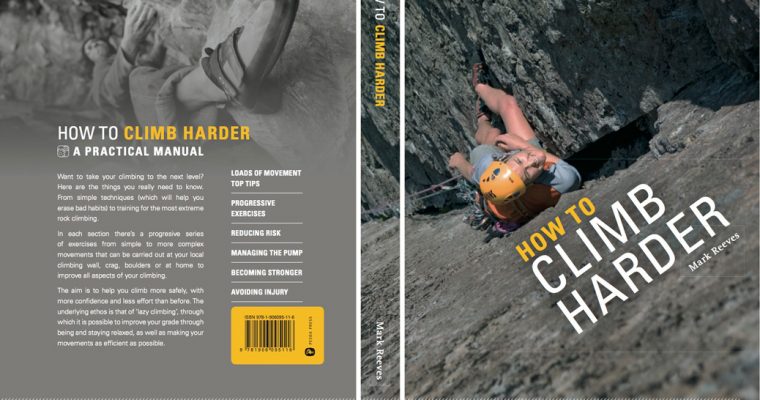
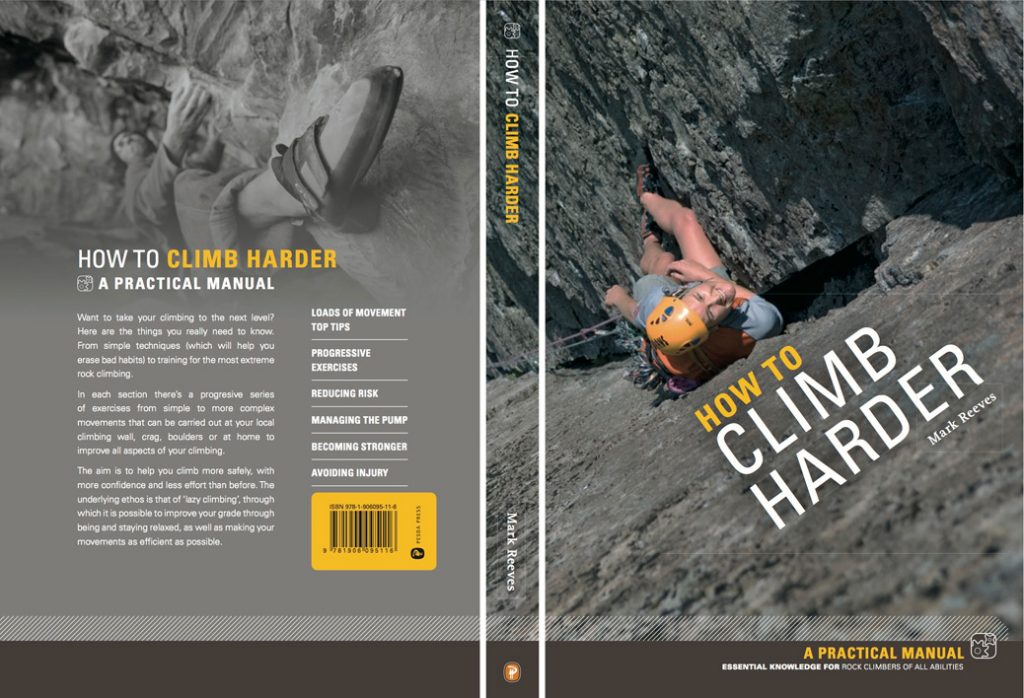
There is more advice and exercises on placing runners in ‘How To Climb Harder‘ by Snowdonia Mountain Guides author Mark Reeves. You can buy a copy from here.
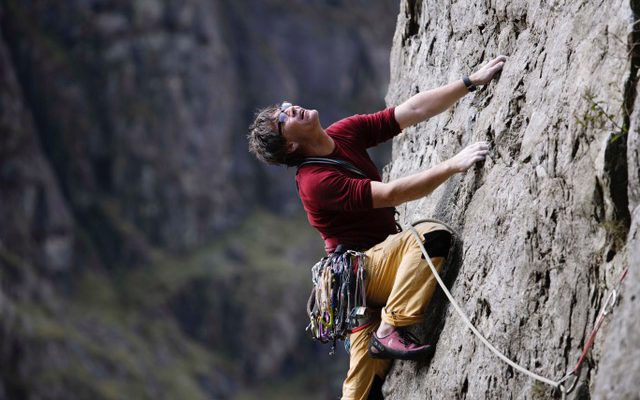
Nut or Wires are the backbone of the modern trad climbing rack and knowing how to use them is vital. This article will teach you the basics but remember there is no substitute for being taught on a learn to trad climb course.